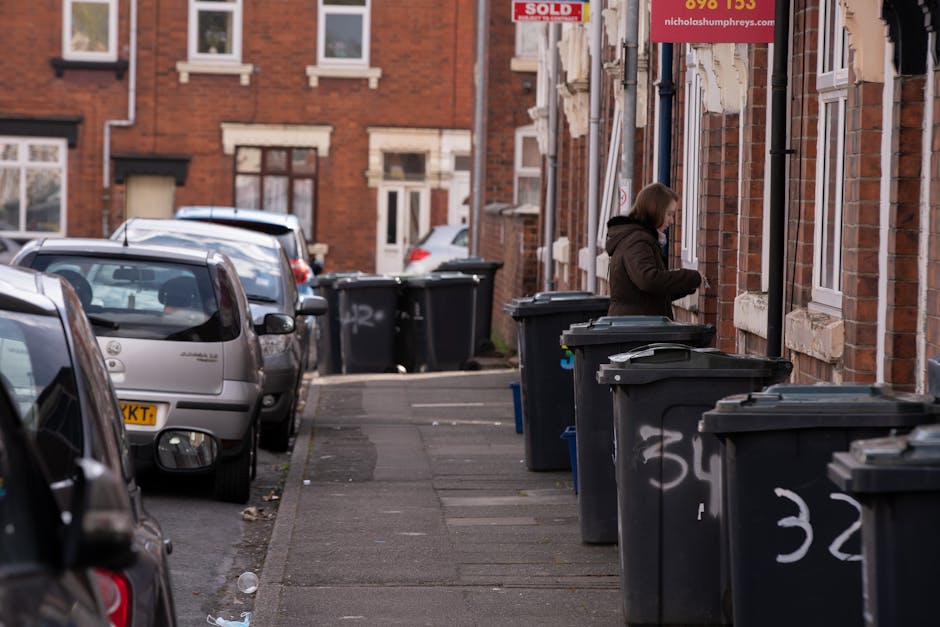
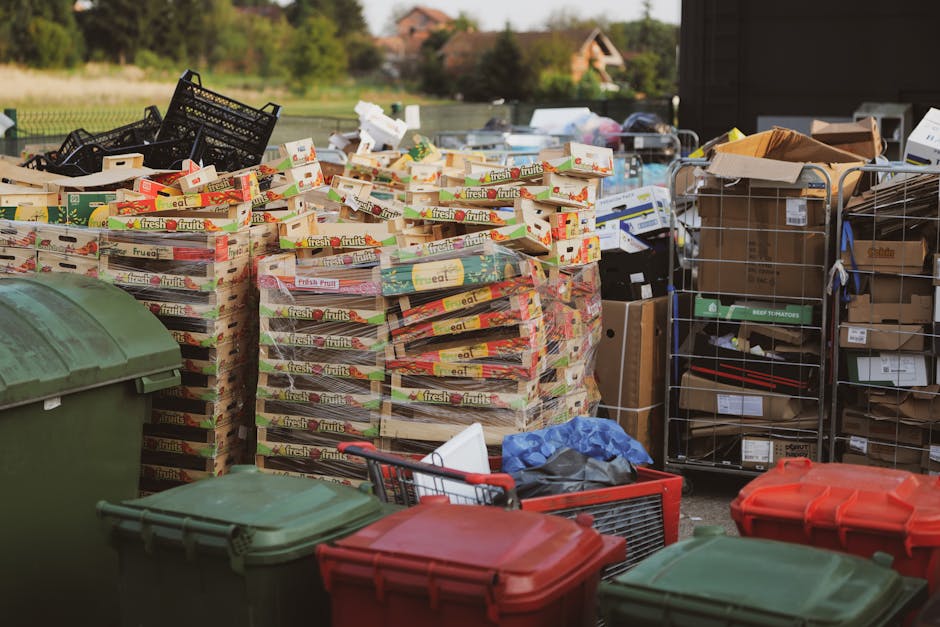
Ruislip HA4 rubbish collection guide for busy households
If you are juggling work, school runs, shopping bags, and the usual London "I'll deal with that later" pile-up, rubbish collection can become one more thing that quietly gets out of hand. This Ruislip HA4 rubbish collection guide for busy households is here to make the process simpler, quicker, and far less stressful. Whether you are clearing a hallway full of broken bits, sorting out a loft that has become a storage graveyard, or just trying to keep on top of weekly waste without losing your weekend, the right approach saves time and a lot of faff.
In practice, the best rubbish collection plan is not about doing everything yourself. It is about knowing what needs sorting, what can be reused or recycled, what should stay out of general waste, and when a professional collection makes more sense. Let's keep it practical. No fluff, no heroics.
Table of Contents
- Why Ruislip HA4 rubbish collection guide for busy households Matters
- How Ruislip HA4 rubbish collection guide for busy households Works
- Key Benefits and Practical Advantages
- Who This Is For and When It Makes Sense
- Step-by-Step Guidance
- Expert Tips for Better Results
- Common Mistakes to Avoid
- Tools, Resources and Recommendations
- Law, Compliance, Standards, or Best Practice
- Options, Methods, or Comparison Table
- Case Study or Real-World Example
- Practical Checklist
- Conclusion
- Frequently Asked Questions
Why Ruislip HA4 rubbish collection guide for busy households Matters
Busy households in HA4 often run on tight margins: little time, little storage space, and a lot of moving parts. One missed collection, one bulky item left in the porch, and suddenly the whole place feels cluttered. Rubbish collection matters because clutter is not only visual. It affects how quickly you can clean, how safely people move through the home, and how much mental energy you spend noticing unfinished jobs.
Ruislip has a mix of family homes, flats, maisonettes, terraces, and long-established properties where lofts, garages, and sheds tend to collect "temporary" storage for years. That is normal. Truth be told, almost every household thinks it has a spare corner until it doesn't. A good rubbish collection guide helps you work with real life rather than against it.
It also matters because some waste streams need proper handling. A bag of household junk is one thing. A fridge, mattress, broken furniture, old paint tins, or confidential paper is another. If you separate those early, you save time later and reduce the risk of mistakes.
Expert summary: the best rubbish collection system for a busy HA4 household is simple, repeatable, and safe. The win is not perfection; it is staying ahead of the mess before it takes over the week.
How Ruislip HA4 rubbish collection guide for busy households Works
The core idea is straightforward. First, you identify what needs removing. Then you decide whether it can go out with regular household waste, be recycled, be donated, or needs a specialist collection. After that, you arrange the most efficient disposal route and prepare everything so the collection itself is quick.
For many homes, that means combining a few different approaches. Standard council-style bins cover everyday rubbish. A one-off collection or clearance service can deal with bulky, awkward, or heavy items. That is usually the simplest route when time is tight and access is awkward, especially in homes with narrow stairwells or limited parking.
If you are comparing collection options, it helps to understand the difference between general waste removal and more focused services. For example, waste removal can suit mixed rubbish, while a more targeted service such as house clearance may be better when several rooms need emptying at once. For awkward furniture, a dedicated furniture disposal or furniture clearance option can keep the job tidy and efficient.
Timing also matters. Some households need same-week help after a tenant move-out, a renovation, or a nursery room swap. Others just need a planned purge on a Saturday morning. Either way, the process works best when you prepare the waste in advance and make one decision per item instead of moving the same box around the house three times. We all do it. It's annoying, but there it is.
Key Benefits and Practical Advantages
The biggest advantage is time. Busy households rarely need more "how to" theory; they need fewer trips to the tip, fewer half-finished piles in the hallway, and less disruption. A well-planned rubbish collection approach gives you a faster route from clutter to clear space.
There is also the safety angle. Heavy lifting, sharp edges, damp cardboard, broken glass, and old appliances can all create avoidable risks. Clearing waste in one organised move is usually safer than dragging it out in bits over several days. That is especially true if children, pets, or older relatives are moving through the space.
Other practical advantages include:
- less stress on bin day and less last-minute scrambling
- better separation of recyclable, reusable, and general waste
- more usable space in kitchens, hallways, garages, and lofts
- fewer missed opportunities to dispose of bulky items properly
- more predictable costs than repeated ad hoc trips
There is a household-organisation benefit too, and it is bigger than it sounds. Once waste is under control, cleaning takes less time, finding things gets easier, and the home feels calmer. That is a small thing on paper, but on a Tuesday night with dinner still to cook, it matters.
For homeowners and renters who are clearing out larger items, it can also be useful to understand related services such as home clearance, loft clearance, or garage clearance. They are not interchangeable, and that distinction helps you avoid paying for more than you need.
Who This Is For and When It Makes Sense
This guide is especially useful for families, shift workers, carers, and anyone running a household where time is already spoken for. If your weekends disappear into laundry, meal prep, homework, and trying to find the charger that has mysteriously gone missing again, a practical rubbish collection plan will probably feel like a relief.
It also makes sense if you are:
- preparing for guests, a move, or a tenancy handover
- dealing with accumulated clutter after a busy few months
- sorting bulky items that will not fit in normal bins
- clearing waste after decorating, minor repairs, or a quick refit
- trying to improve recycling habits without making the process complicated
Families in flats often face a separate challenge: not enough storage and not enough patience. In that case, a flat clearance approach may be more practical than piecemeal disposal. Households with home-office spillover may also find value in a broader look at office clearance, especially when paperwork, old equipment, and broken storage units start mixing together.
If the issue is a seasonal build-up in the garden, a dedicated garden clearance can stop green waste and old outdoor items from taking over the side return. Different mess, same headache. You get the idea.
Step-by-Step Guidance
Here is the simplest way to tackle rubbish collection without turning it into an all-day saga.
- Walk through the property once. Make a quick list of what actually needs removing. Don't trust memory alone; the stray chair in the loft always turns into three chairs by the end of the day.
- Sort items into clear groups. Put general rubbish, recycling, bulky furniture, appliances, and anything questionable into separate piles or bags.
- Set aside restricted items early. Paint, chemicals, sharp materials, and some electricals may need special handling. Do not mix them into a general "junk" pile and hope for the best.
- Decide what can be reused or donated. If an item still has life in it, keep it out of the disposal stream where possible.
- Measure access. Note stairs, lifts, narrow gates, parking restrictions, and anything that could slow a collection down.
- Book the right service. Match the job to the waste type. A few bags are different from a full property clear-out.
- Prepare the items for collection. Flatten cardboard, empty drawers if requested, and keep pathways clear.
- Confirm the pickup plan. Make sure someone is available if access needs to be explained on the day.
One small but important detail: photograph awkward items before collection if you think access might be tricky. It helps avoid misunderstandings and saves a bit of back-and-forth. Not glamorous, but useful.
If a collection includes appliances, it is worth checking whether you need a specialist approach such as fridge and appliance removal. Large white goods are not the same as furniture, and handling them properly makes life easier for everyone involved.
Expert Tips for Better Results
The fastest collections usually come from households that do a little prep before the team arrives. That does not mean deep-cleaning the whole house. It means removing avoidable friction.
- Use one holding area. A hallway, driveway corner, or cleared room works better than waste spread across three floors.
- Label mixed piles. A simple note such as "recycle", "dispose", or "unsure" can save time later.
- Keep wet waste separate. Damp cardboard and food waste create smell and make handling messier.
- Think in volume, not just item count. One wardrobe can take up more space than ten bin bags.
- Check if an item needs special treatment. Mattresses, sofas, and appliances often do.
In our experience, the biggest time-saver is deciding what stays before collection day. A lot of households leave the final "maybe keep it?" decision until the van is practically on the street. That is fair enough, but it slows everything down and usually makes the room look more chaotic in the process.
If you are clearing seating or bedroom items, specialist options like mattress and sofa disposal can be a better fit than general rubbish removal. It is one of those things people forget until they are staring at a corner sofa and thinking, now what?
And if you want to keep a stronger eye on environmental outcomes, review your household habits alongside the provider's recycling and sustainability approach. It helps you ask better questions and make more considered choices.
Common Mistakes to Avoid
Most rubbish collection problems are avoidable. The issue is usually not the waste itself, but the way it has been prepared. A few common missteps keep showing up.
- Waiting too long to sort. If everything becomes one giant pile, the job feels bigger than it is.
- Mixing hazardous and general waste. This is a safety issue, not just an organisation issue.
- Underestimating bulky items. A "small" broken wardrobe can take more time than a dozen sacks.
- Blocking access routes. Clear hallways, stairs, and entrances before collection day.
- Assuming every item can go in the same load. That is how problems happen.
- Ignoring costs until the last minute. A quick look at pricing and quotes helps you plan properly.
There is also a surprising emotional mistake: keeping hold of items "just in case" when the real issue is that nobody wants to make the call. That is normal, and a bit human. But if the item has sat untouched for months and only creates stress, you probably already know the answer.
Another easy trap is forgetting that certain waste categories need specific handling. For example, if a bag contains confidential paperwork, it should not be treated like everyday rubbish. In that case, a service such as confidential shredding may be the more sensible route.
Tools, Resources and Recommendations
You do not need fancy equipment to manage household rubbish well, but a few simple tools make the job smoother.
- Heavy-duty bin bags: useful for general waste and lighter clutter
- Marker pen and labels: helpful for separating piles quickly
- Gloves: especially useful for lofts, garages, and old cardboard
- Tape measure: good for checking whether bulky items need dismantling
- Phone camera: ideal for recording awkward access or item condition
- Step stool or trolley: can help, though only if used safely and sensibly
If you are unsure whether an item can go into a skip, it is worth reviewing the service guidance on what can go in a skip. Even if you are not booking a skip, the category guidance is still useful for understanding common restrictions and making cleaner decisions.
For households with mixed waste after improvements or small repairs, a builder-related load may involve builders waste clearance. It is a sensible choice when you have plasterboard, old fittings, packaging, or offcuts lying around after the dust has settled.
One more practical point: if you are dealing with a bigger purge and want a structured, all-in solution, house clearance or home clearance can reduce the number of separate decisions you have to make. And frankly, sometimes fewer decisions is the whole appeal.
Law, Compliance, Standards, or Best Practice
Rubbish collection in the UK is not just about convenience. There are basic legal and safety expectations around how waste is stored, handled, and passed on. Homeowners and tenants do not need to become waste-law specialists, but they should understand the broad principles.
Best practice is to make sure waste is transferred to a responsible carrier, kept separate where necessary, and handled in a way that avoids contamination or harm. If items are sharp, heavy, chemical, electrical, or potentially harmful, they should be treated carefully and not mixed casually with normal household rubbish.
It is also sensible to check service terms, insurance, and handling standards before booking. A trustworthy provider should be clear about what they take, how they operate, and what happens to the waste afterwards. If you want to understand how a provider handles risk and duty of care, pages like insurance and safety and health and safety policy are useful reference points.
For environmentally conscious households, recycling should be more than a nice idea. It should be built into the disposal decision from the start. That is why checking a provider's recycling and sustainability approach can be worth the few extra minutes. And if you need to understand terms and expectations before booking, terms and conditions are worth a proper read. Not thrilling, I know. Still important.
Options, Methods, or Comparison Table
Different households need different disposal methods. Here is a simple comparison to help you decide what fits best.
| Method | Best for | Strengths | Limitations |
|---|---|---|---|
| Regular household bins | Everyday waste and small recyclables | Simple, familiar, low effort | Limited capacity, not suitable for bulky items |
| DIY tip run | Small loads when you have time and transport | Flexible and direct | Time-consuming, physically awkward, multiple trips may be needed |
| Skip hire | Longer projects and repeated waste from a renovation | Good for ongoing work on site | Space needed, permit considerations may apply, less flexible once placed |
| Professional rubbish collection | Busy households, bulky waste, mixed loads | Fast, convenient, less lifting, better for access issues | Needs clear item list and decent preparation |
| Targeted clearance service | Furniture, lofts, garages, or whole rooms | Highly efficient for specific jobs | Best when the waste type is clearly defined |
If your household waste is mainly furniture, a more focused route such as furniture disposal or mattress and sofa disposal can be better than a general load. The right method is the one that reduces work without creating new problems. Simple as that.
Case Study or Real-World Example
Here is a realistic example based on the sort of job many Ruislip households face. A family in HA4 had a hallway full of old toys, a broken desk, two unused dining chairs, flattened boxes, and a fridge in the utility room that had been off for ages. Everyone was busy, no one wanted to spend Saturday driving back and forth, and the clutter had started to make the house feel permanently "in progress".
They started by sorting the items into clear groups: recycle, bulky waste, appliance, and keep. The fridge was separated immediately, the boxes were flattened, and the chairs were checked to see if they could be reused. A small amount of paperwork was also set aside for shredding. Nothing dramatic, just sensible sorting.
Because the household had limited parking and a narrow side path, access was planned in advance. That meant the collection could be done quickly, with less back-and-forth and fewer surprises on the day. By lunchtime, the hallway was clear again. The interesting part was not just the removed waste. It was how quickly the whole home felt easier to live in once the visual noise disappeared.
That is the point of a good rubbish collection process. It does not need to be perfect. It needs to be workable in real life, on a real schedule, in a house where people still need to eat, sleep, work, and get out the door on time.
Practical Checklist
Use this checklist before collection day so everything runs more smoothly.
- List all items you want removed
- Separate general waste, recycling, bulky items, and special waste
- Set aside anything sharp, heavy, fragile, or hazardous
- Check access routes, stairs, gates, and parking
- Measure large furniture or appliances if needed
- Decide what can be reused or donated
- Flatten cardboard and bag loose rubbish
- Keep collection areas clear and safe
- Review pricing, timing, and terms before booking
- Confirm any special handling requirements in advance
If the job is larger than a few bags, consider whether a more complete service such as garage clearance, loft clearance, or house clearance is a better fit. The goal is to reduce effort, not create another sorting marathon.
Conclusion
For busy households in Ruislip HA4, rubbish collection works best when it is planned around real life. Keep it simple. Sort early, separate the awkward items, choose the right service for the job, and do not let small piles become an all-house problem. That is the practical win.
Whether you are clearing one room or several, the right approach gives you back time, space, and a bit of breathing room. And honestly, that feeling of walking into a cleared hallway after weeks of "I'll sort it later" is hard to beat. A little calmer. A little lighter. Much better.
Get a free quote today and see how much you can save.
Frequently Asked Questions
What is the easiest rubbish collection option for a busy household in Ruislip HA4?
For most busy households, a professional rubbish collection or clearance service is the easiest option because it reduces lifting, sorting stress, and time spent travelling. It is especially useful for bulky or mixed waste.
Can I put furniture out with normal household rubbish?
Usually no, not if it is bulky or awkward. Sofas, wardrobes, mattresses, and similar items are better handled through a dedicated furniture or bulky waste service. It is safer and usually far less hassle.
How do I know if something needs specialist disposal?
If the item is electrical, contains chemicals, is sharp, or could leak, it may need specialist handling. Common examples include fridges, old appliances, paint tins, and some repair materials.
Is a skip better than a rubbish collection service?
It depends on the job. A skip suits longer projects where waste accumulates over time. A collection service is often better for busy households that want waste removed quickly without keeping a container outside.
What should I prepare before collection day?
Sort waste into clear groups, clear access routes, bag loose rubbish, flatten cardboard, and separate anything that may need special handling. A few minutes of prep can save a lot of time later.
Can rubbish collection help with loft or garage clear-outs?
Yes. In fact, lofts and garages are common places for accumulated clutter. Clearance services such as loft clearance or garage clearance are often the most practical choice when the space has built up over time.
What happens to recyclable waste?
That depends on the service and the materials collected, but recyclable items should be separated wherever possible so they can be handled appropriately. If sustainability matters to you, check the provider's recycling approach before booking.
How do I deal with an old fridge or appliance?
Large appliances are best kept separate from general rubbish. Fridges, washing machines, and similar items often need a dedicated appliance collection because of size, weight, and handling requirements.
What if I have confidential papers mixed into the clutter?
Do not throw them in with general waste if they contain personal or business information. Set them aside for secure destruction through a confidential shredding service.
How can I avoid overpaying for rubbish collection?
Be clear about what needs removing, compare the right type of service, and check pricing information in advance. The more accurate your item list, the easier it is to avoid paying for the wrong solution.
Is it safe to move heavy rubbish myself?
Only if the item is manageable and you have clear access. Heavy lifting can be awkward, especially on stairs or in tight spaces. If in doubt, leave it to a team that is set up for lifting and disposal work.
Where can I learn more about the company behind the service?
You can review the company's about us information if you want a better sense of how they work and what they focus on. It is a sensible step before booking anything.