Business Waste Removal in Ruislip
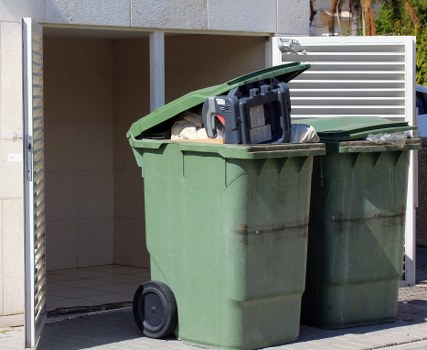
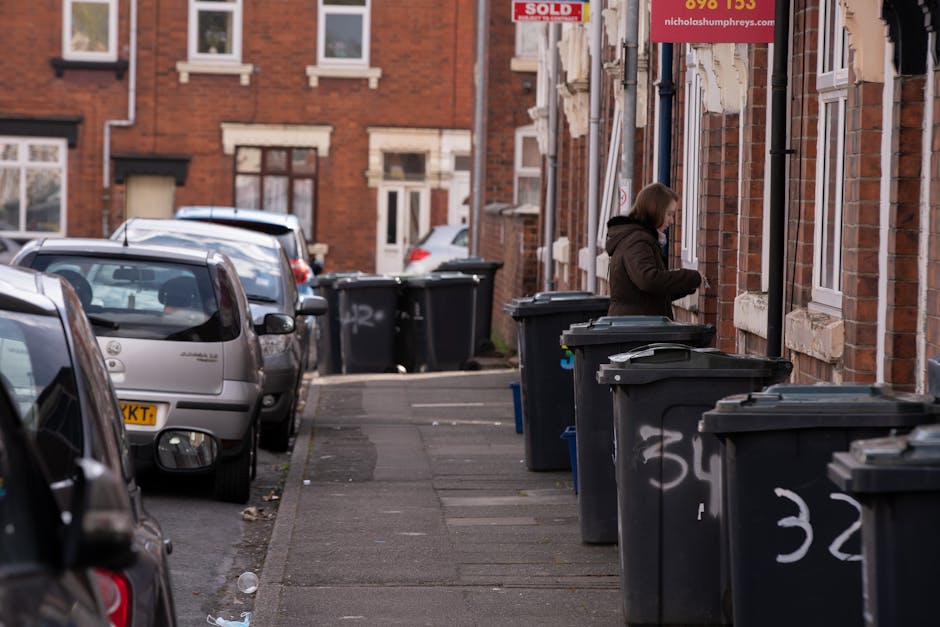
Business waste removal in Ruislip needs to be practical, tidy and organised around the way your premises actually operate. Our service is built for commercial waste streams that arise from everyday activity, refurbishments, clear-outs and routine housekeeping, with collections arranged to suit offices, shops, workshops and other workplaces. We focus on removing unwanted materials in a straightforward way, so you can keep floors, storerooms and working areas clear without turning waste handling into a disruption.
The main aim is simple: take away business waste responsibly and help you maintain a cleaner site with less clutter building up over time. That can include mixed non-hazardous rubbish, bulky items, office contents and materials that no longer have a place on site. Clear loading, sensible sorting and reliable disposal all matter, because commercial waste often includes a mixture of packaging, fixtures and general refuse rather than one single type of item.
Use this page to understand the kinds of collections commonly requested, the factors that shape a quotation and the pages that cover related services in more detail. If you already know what needs moving, you can ask for a quotation; if you are still deciding what to include, the service pages below may help you separate one type of material from another. View pricing and quotation information when you are ready to compare the likely scope of work.
Commercial waste collections for workplaces
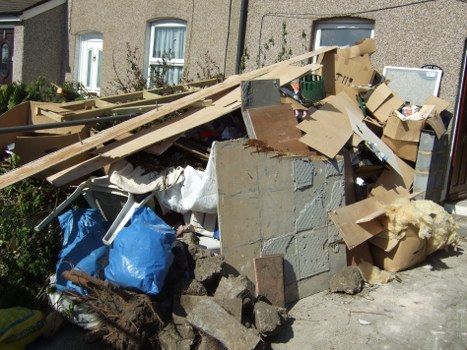
Commercial waste collections are often easiest when they are planned around the nature of the site rather than treated as an afterthought. A back office may generate paper, packaging and broken furniture, while a shop unit could need help with shelving, display materials and cardboard. Workplaces that handle stock, equipment or customer-facing fittings can accumulate waste in several different forms, so the collection has to be matched to the item type, access route and disposal requirements.
We can help with the removal of general business waste that does not need a specialist hazard-led service, as well as bulky items that are awkward to move through ordinary day-to-day routines. This may include unwanted office furniture, worn fixtures, obsolete stock packaging and other non-confidential commercial rubbish. Where a site has a mix of items, separating what can be collected from what needs a different route keeps the job more efficient and the quotation more accurate.
Explore our business waste removal service if you want a closer look at commercial collections, or keep reading for the related services that can sit alongside a business clearance. Sorting waste at source can make the removal more straightforward, especially when items are spread across several rooms, storage areas or workstations.
Office clearances and working environment items

Office clearance work usually centres on items that have accumulated around desks, meeting rooms, print areas and storage spaces. That can include desks, chairs, cabinets, shelving, unwanted paperwork for destruction, small electrical items and general office clutter. The point is not simply to empty a room, but to remove items in a way that respects the layout of the premises and the practical order of the workspace. A measured approach matters when access is shared with staff, customers or contractors.
For some premises, the main need is a partial clearance rather than a complete strip-out. A single storage room, a series of redundant workstations or a cluster of obsolete furnishings can be removed without disturbing the rest of the site more than necessary. In other cases, an office move or reconfiguration may create a larger mix of items that are no longer needed, and those should be dealt with in a single visit where possible. Read more about office clearance for a fuller view of what can be included.
If your office waste includes confidential paper, that needs a separate consideration from general rubbish, because disposal methods differ. Likewise, electrical items and mixed materials may need sorting before collection. A simple item-by-item review helps decide whether the load is office furniture, paper, mixed clear-out waste or something better placed under a separate specialist route. Keep the list honest and concise, and the quotation can reflect the work more accurately.
Bulky furniture and fitted items
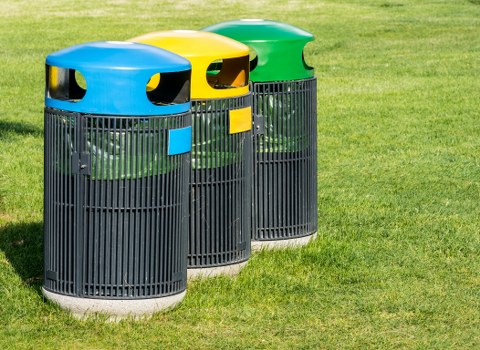
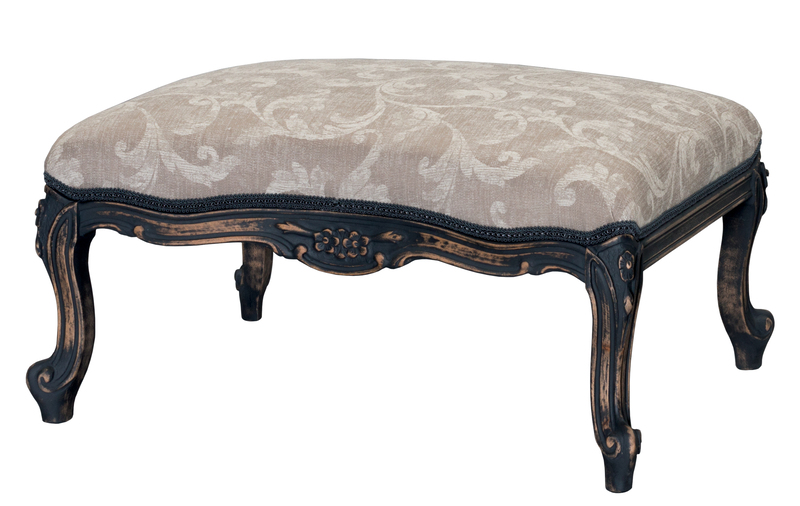
Furniture removal is a common part of business waste work because workplaces tend to replace desks, seating and storage items in phases rather than all at once. Some pieces can be taken as part of a routine commercial clearance, while others may need more careful handling because of size, weight or the way they are fixed within the building. Chairs, filing cabinets, reception furniture and shelving are typical examples of items that may need clear, planned removal.
Different furniture types can also affect the collection method. Flat-pack items may break down easily, but older pieces, office storage systems or waiting room furniture may need carrying intact. The same applies to items that are awkwardly placed in upper floors, narrow corridors or shared entrances. When a collection involves several bulky objects, the route to the vehicle and the amount of lifting involved matter as much as the item list itself. See our furniture clearance page if you want to review a dedicated furniture service.
Where furniture is beyond reuse or no longer suited to the premises, removal should still be carried out with a sensible view to recycling and disposal routes. We handle business furniture as part of a wider waste solution, not as isolated pieces, so the job can include the surrounding packaging, fixings or associated rubbish where that has been described in advance. Clarity about what stays and what goes keeps the work orderly and avoids confusion on the day.
Site clean-outs, storage areas and back rooms
Storage rooms, stock corners and back-office cupboards often become long-term holding spaces for items that are no longer actively used. Business waste removal can bring those areas back under control by clearing redundant materials, old equipment, packaging piles and accumulated miscellaneous refuse. In commercial settings, these spaces often contain mixed items, so a practical approach is to identify what is to be removed, what must stay on site and whether anything needs a separate treatment route.
Garage-style stores, utility spaces and internal stores can contain awkward or dusty items that are not part of daily operations but still occupy valuable room. Those areas may hold broken tools, obsolete promotional materials, surplus packaging or worn furnishings that have simply remained in place. Read about garage clearance for a clearer look at clearing compact, cluttered spaces, especially where access needs to be planned carefully.
When a clearance includes multiple rooms, the order of work becomes important. Moving from the nearest items to the most awkward ones can reduce repeated lifting and help the site remain usable while the removal is underway. Good sequencing also helps when different kinds of waste are stored in the same area, because items can be grouped for better loading and disposal rather than shifted several times.
Bulky household-style waste within business premises
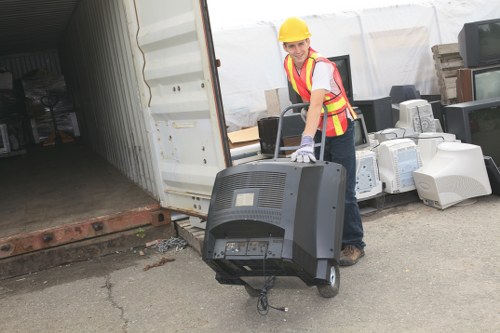
Some business sites generate waste that looks more like household clearance material than typical office rubbish. Staff rooms, rental units, waiting areas and mixed-use premises can produce items such as sofas, small appliances, mattresses or general furniture that need a different sort of handling from paper and packaging. These items can still form part of a commercial collection when they are removed from a business address and described clearly in advance.
Those mixed loads are usually easiest to manage when the customer separates the broad categories before the collection begins. Furniture, appliances and general refuse may all be part of the same visit, but they are not always treated in the same way once removed from the premises. That is why it helps to note whether the job is primarily furniture disposal, appliance removal or wider business waste clearance. Visit our furniture disposal page if your enquiry is mainly about unwanted items that are no longer needed on site.
For business customers, it is also useful to know that bulky item handling is more than a lifting task. It involves assessing access, deciding what can be carried safely, and making sure the final load is suitable for the chosen disposal route. Well-described bulky waste makes for better planning, a better quotation and a cleaner result once the collection is complete.
Recycling, sorting and disposal routes
A well-managed commercial waste removal service does more than move items out of the building. It also depends on sorting materials so that recyclable items, reusable furniture and ordinary rubbish can follow the right route. Cardboard, metals, some plastics and selected office materials may be separated from general refuse where it is practical to do so, while unsuitable or contaminated items need a different handling decision. Good sorting is part of keeping the overall disposal process orderly.
Businesses often want to know what happens to the waste after collection because the answer affects both confidence and planning. The exact outcome depends on the item type and condition, but the key point is that waste should be handled sensibly, with recyclable or recoverable materials separated where possible. Read about recycling and sustainability if you want more detail on the wider approach used for recoverable materials and responsible disposal choices.
Hazardous or specialist waste is not the same as ordinary commercial rubbish, and it should only be included where the service is intended for that material. If your premises produce items that are potentially dangerous, corrosive, infectious or otherwise regulated, they may need a dedicated route and clear classification. Do not mix uncertain materials into a general load; identifying them properly at the start protects the rest of the job from delays or incorrect handling.
About Ruislip
Ruislip is a historic settlement in the London Borough of Hillingdon, in west London, and its character blends older village origins with later suburban growth. The name appears in records from the Anglo-Saxon period, and the area still retains a sense of layered development through its streets, green spaces and local centres. Ruislip Lido, a reservoir created in the 19th century and later developed as a recreational landscape, is one of the best-known local landmarks and remains closely associated with walking, wildlife and leisure. The wider district includes several distinct areas, among them Ruislip Manor and South Ruislip, each with its own identity and built form. The local pattern of development reflects the arrival of the railway in the early 20th century, which accelerated residential expansion and helped connect the village core to the rest of London. Ruislip also contains a conservation area around the old village, where listed and historic buildings preserve a more traditional street pattern, while nearby shopping parades and transport links show the area’s modern commuter role. Parks and open spaces such as Manor Farm and the surrounding green corridor add to the balance between urban convenience and accessible nature. Together these features make Ruislip a place shaped by transport, heritage and open land, with a history visible in both its old centre and its later neighbourhoods.
Business waste removal for busy sites
Busy commercial premises need a waste service that fits around the working day. That may mean removing items before trading begins, clearing part of a site while other areas stay open, or taking away loads that have been stacked in a temporary storage space. The practical decisions are usually about access, item type and how much needs shifting in one visit. For that reason, a good enquiry describes the premises clearly and names the items rather than just asking for a general clearance.
The more varied the site, the more useful it is to distinguish between waste categories before collection. An office with furniture, paper and fixtures has different requirements from a shop with packaging, shelving and display materials, and a workshop can involve another set of bulky items altogether. See our home clearance page if you need a comparison point for domestic-style loads, but keep in mind that business collections are generally planned around commercial access and commercial waste streams.
When a workplace expects regular accumulation, repeat clearances can prevent stored waste from becoming part of the normal environment. That is especially relevant in rooms used for stock rotation, staff storage or seasonal equipment. Regular attention to clutter can make a premises easier to manage, but each collection still needs to be assessed on its own contents so the quotation reflects the actual job rather than a vague estimate.
Hazardous, confidential and specialist items
Not every item found in a business premises belongs in a general waste collection. Some materials require specialist handling because of how they are made, stored or regulated. That can include certain chemicals, contaminated materials, sharps, fluorescent tubes, contaminated absorbents or other hazardous items, depending on the site. Likewise, paperwork or media with confidential information should not be treated like ordinary rubbish if it needs secure destruction or a specific disposal route.
Where a load includes specialist items, the first task is to identify them properly rather than try to hide them among general waste. If the material is meant for a separate service, it should be listed separately so the correct arrangement can be made. Review the hazardous waste disposal page if your premises produce materials that need a more specific route than standard commercial waste removal.
Some offices and professional premises also generate paper records that need secure handling. Confidential shredding is best treated as a distinct process from ordinary waste collection because the handling, storage and end treatment are different. Read about confidential shredding if you have documents that require a controlled disposal method rather than simple removal with other office rubbish.
Planning a quotation and preparing the site
A useful quotation starts with a clear description of the waste, the location and any access factors that may affect the collection. Photos can help if the items are bulky or spread across several rooms, but they should support a proper description rather than replace it. If there are lifts, stairs, shared entrances, loading restrictions or security steps, mentioning them early helps avoid confusion and gives a more realistic view of the work involved. Contact us about your collection if you want to discuss the load in detail.
It also helps to note whether the waste is ready for collection or still mixed with items that are staying on site. A simple list of what needs removing, any especially heavy pieces and the approximate number of rooms or storage areas involved gives a much better starting point than a single broad category. Keep the list honest, because vague descriptions can make even a straightforward job harder to scope. If a quotation is being prepared for an office move, shop refresh or clear-out, describing the main categories separately is usually the most useful approach.
- State what type of premises the waste is coming from.
- List the main item groups, such as furniture, packaging or general refuse.
- Note access details that could affect loading.
- Separate specialist items from ordinary waste.
Additional business collection options
Business waste removal can sit alongside several related services when a site has more than one type of unwanted material. A premises that is being reworked may need a combination of furniture removal, office clearance and general rubbish disposal, while a landlord-managed unit could involve mixed items left behind after a tenant change. The right service depends on the waste stream and the level of sorting needed, so it is sensible to match the collection to the contents rather than assume one broad label will fit everything.
Some customers need help with specific item types rather than a full-site clear-out. That is where focused services can be useful, because they deal with the actual material in question rather than adding unnecessary handling. View the fridge and appliance removal page if your business has electrical items that need to be taken away separately from ordinary rubbish or furniture. Similarly, a premises with mattresses, sofas or other soft furnishings may be better served by a more specific disposal route.
Likewise, outdoor waste, stock-room clutter and mixed property contents can each call for a slightly different approach. Keeping those distinctions clear makes the service easier to plan and the resulting quotation easier to understand. One clear list, one clear collection plan is usually the most efficient way to manage the waste without overcomplicating the process.
Choosing the right service for your premises
Choosing the right waste service is mostly about matching the contents, access and urgency to the collection type. A clear-out of office furniture is different from a load of general business rubbish, and a premises with confidential paper or electrical items should not be treated as if everything belongs in one category. The better the match between the waste and the service, the easier it is to keep the process sensible from start to finish.
If you are comparing options, think about whether the main task is removal, sorting, disposal or a more complete clearance of an area. That may point you towards a dedicated page for the exact item type, or it may confirm that a wider business waste collection is the most suitable route. Book online when you are ready to arrange the collection, or use the enquiry route that suits your preferred way of explaining the job.
For straightforward business waste removal in Ruislip, the best next step is to gather the item list, note the access details and request a quotation. Tell us what needs moving, mention any specialist materials separately and keep the description focused on the actual waste. That makes it easier to identify the right service, the right disposal route and the most practical way to complete the collection.